
The LUMINA Team
The people pointing sensors at the sky and trying to work out what it all means.
Project HubWho We Are
LUMINA started, as many good ideas do, over a full English breakfast and several cups of tea. The premise was straightforward: nobody's properly measuring light pollution in the UK, and that seems like something worth fixing.
What began as a conversation between the three founders has grown into a proper research initiative. We've got astronomers, physicists, engineers, and educators all working together to build the UK's first dedicated light pollution monitoring network.
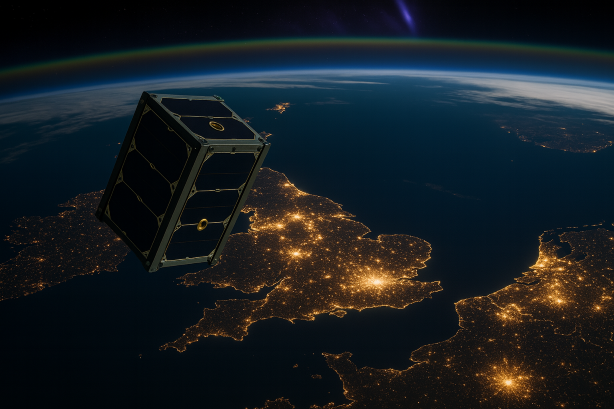
We're a small team doing something rather ambitious; building the UK's first dedicated light pollution monitoring system. Ground sensors, satellite data, open-access everything. Just scientists who think the night sky matters and are willing to spend their evenings proving it.
It's volunteer-led, university-supported, and occasionally caffeine-powered. We take the science seriously.
Our Team
Chris Spencer
D.Sc.,FRAS, IDA
Dark Sky Ambassador, astronomer, and has enjoyed spending 25 years explaining why darkness matters.
Chris serves as Dark Sky Ambassador for the Sherwood Astronomical Society, where he works to make the case that protecting dark skies isn't just about astronomy: it's about wildlife, sleep, energy consumption, and whether future generations will ever see the Milky Way from their back gardens.
He holds a doctorate in science and technology, which comes in handy when explaining to local authorities why thoughtful lighting design matters. His approach is practical: use light where it's needed, at the level it's needed, when it's needed. The rest is waste.
For the past 25 years, Chris has been active in astronomy and public engagement. He's a registered STEM Ambassador and has delivered countless talks, workshops, and multi-week programmes, including extensive work with the Scout movement, helping Cubs and Beavers earn their Space badges. He's also supported home education communities, adapting astronomy sessions for learners across different ages and styles.
In 2025, Chris was among volunteers awarded the King's Volunteer Award for work with Sherwood Observatory. He remains committed to helping communities reconnect with the natural night and ensuring that dark skies don't become something people only read about in history books.
Steve Olechnowicz
Builds the data architecture and backend systems that turn sensor readings into science.
Steve is the driving force behind LUMINA's technical infrastructure: the databases, APIs, and data pipelines that collect, validate, and distribute sensor readings from across the UK. It's the sort of work that only gets noticed when it breaks, which means he's doing it properly.
His background is in data architecture and backend systems development, but his interest has always been in making those systems serve something meaningful. Scientific research needs reliable data, and reliable data needs solid engineering. That's where Steve comes in.
Beyond the technical work, Steve is committed to STEM education and accessibility. He believes that good data infrastructure shouldn't just serve researchers; it should make science more open, more reproducible, and more available to anyone curious enough to look. LUMINA's open data approach reflects that philosophy.
He brings a practical, methodical approach to problem-solving: build it right, test it thoroughly, document it clearly, and make it maintainable. The result is infrastructure that works quietly in the background, doing what it's supposed to do, which is exactly how infrastructure should work.
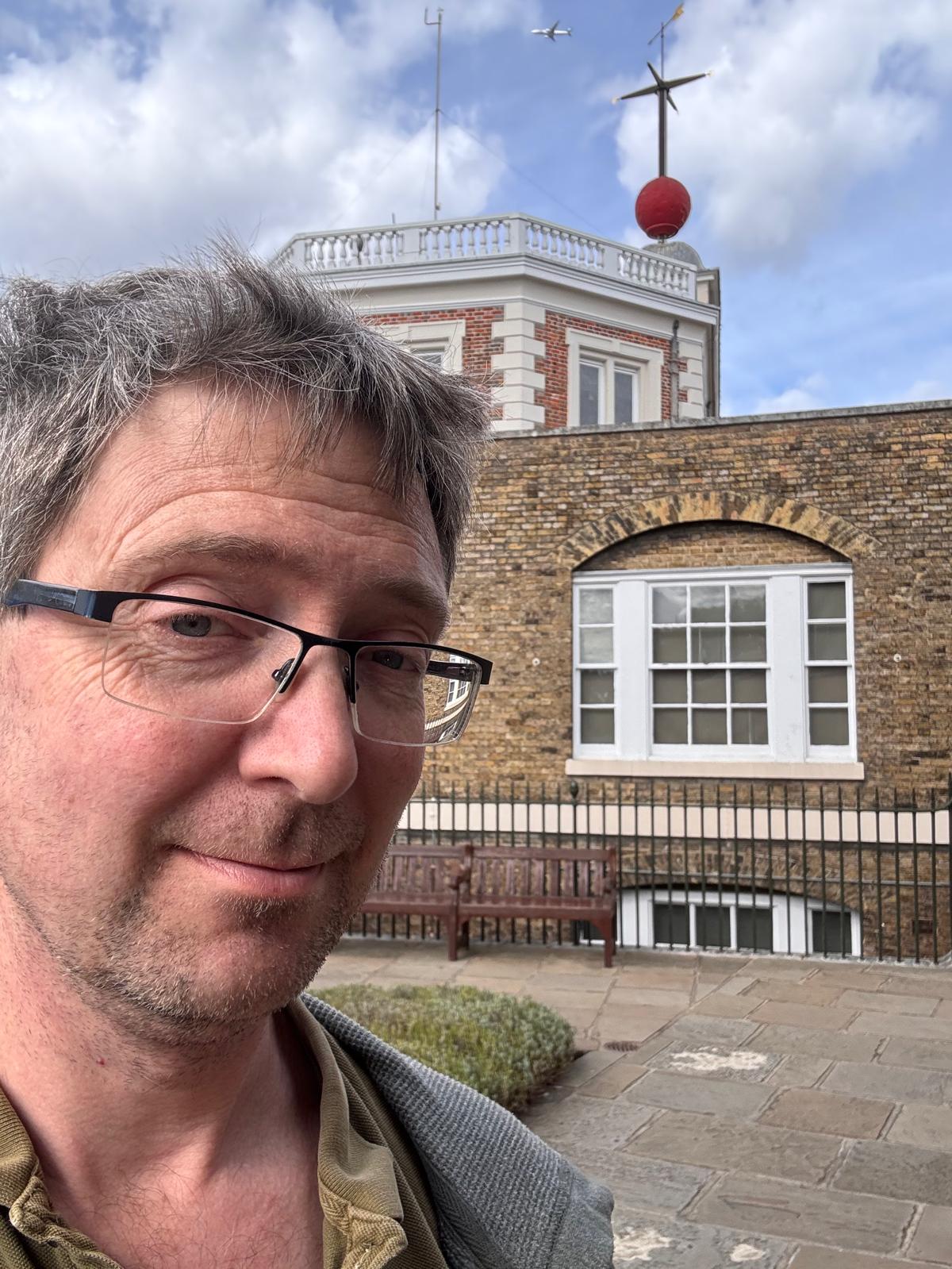
Ed Jackson
CEng MImechE
Chartered Mechanical Engineer who spent his career eliminating waste, then realized sky pollution might be the biggest waste of all.
Ed is a Chartered Mechanical Engineer with a career in the energy industry, always looking for a more efficient solution. Which is why, during that breakfast conversation, Chris's observation that any light going into the sky is wasted energy landed rather heavily. He was right. Decades of optimizing systems, projects and processes, and here's an enormous waste stream that nobody's properly measuring.
His approach to LUMINA is practical: to make change that sticks, you need to convince a lot of different people there's a better way, one that saves money, time, and effort while maintaining the standards everyone expects. But to make that case, you need data. Reliable, credible data. The sort that doesn't exist yet.
Ed is interested in finding solutions to difficult problems, which typically means starting by understanding the problem from everyone's perspective. Policymakers, lighting engineers, astronomers, ecologists, residents: they all have valid concerns and constraints. The solution is in the data, assuming you can collect it, validate it, and present it in a way that actually helps people make decisions.
He handles LUMINA's web infrastructure and systems architecture. As someone who codes and tinkers as a hobby, he built the initial web application and continues to develop the platforms that make LUMINA's data accessible. The goal is straightforward: turn sensor readings into information that people can trust and use.
Get Involved
LUMINA runs on collaboration, curiosity, and the occasional borrowed rooftop. If you're a researcher with data needs, an educator looking for real-world science, or simply someone who thinks measuring darkness is a reasonable way to spend one's time; we'd like to hear from you.